
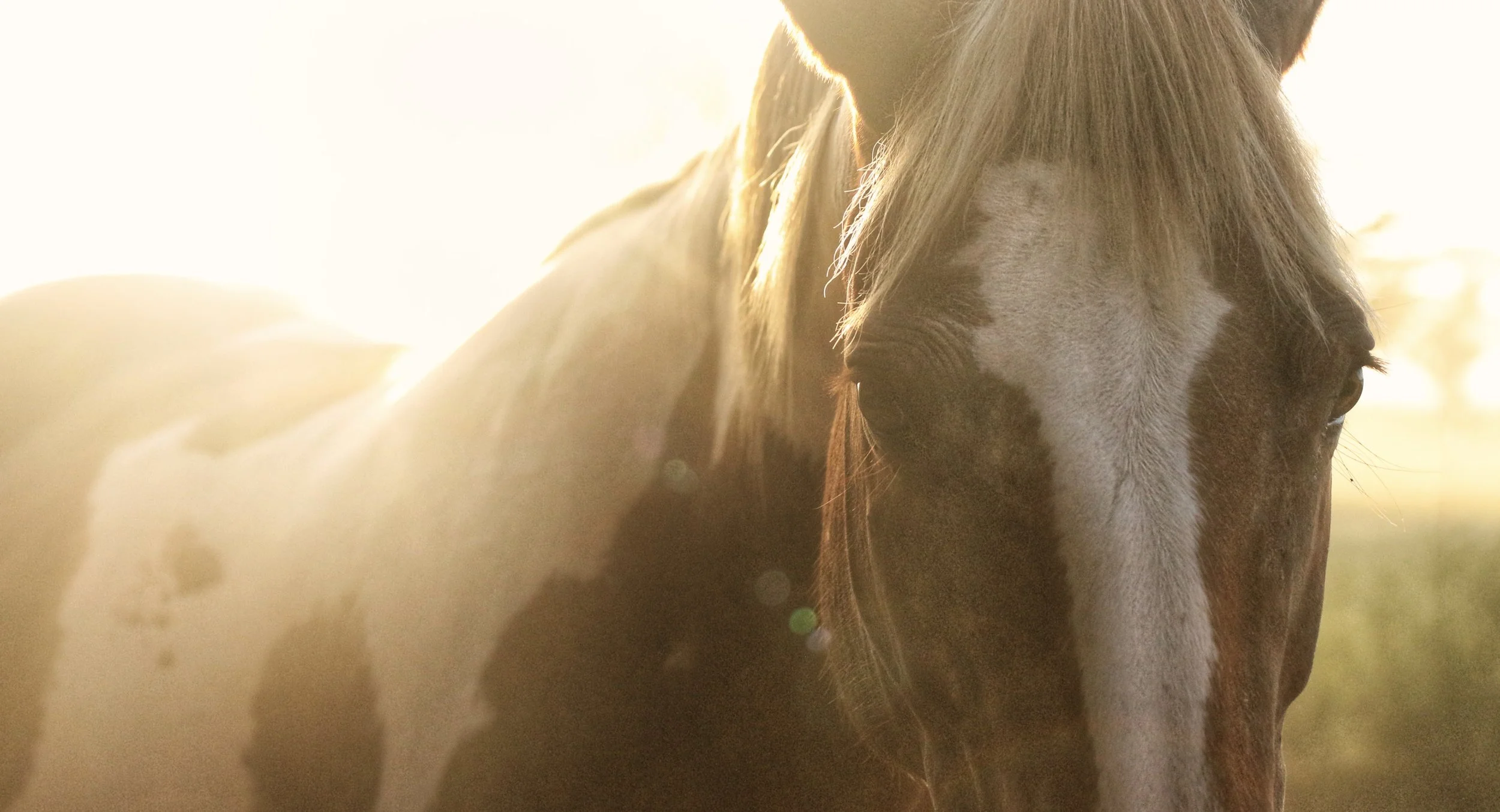
The Horsynergy Approach
Every horse has a story.
Not every story begins with an obvious injury or a training problem.
Sometimes it begins with a subtle change in posture or a horse that suddenly feels resistant or disconnected. Sometimes it shows up as recurring lameness, intermittent digestive issues, declining performance, or behavior that doesn't seem to have a clear explanation.
It Started With Training
I am a trainer first and foremost.
Training is where my journey began, and it remains the foundation of everything I do today.
As I worked with more horses, I kept encountering challenges that didn't seem purely behavioral. Some horses genuinely wanted to do what was being asked but couldn't organize their bodies well enough to do it comfortably.
The more questions I asked, the more I realized I needed to understand the horse beyond training alone.
That curiosity led me into anatomy, biomechanics, functional movement, bodywork, nutrition, and nervous system regulation.
Each area of study answered some questions while raising new ones.
Everything Is Connected
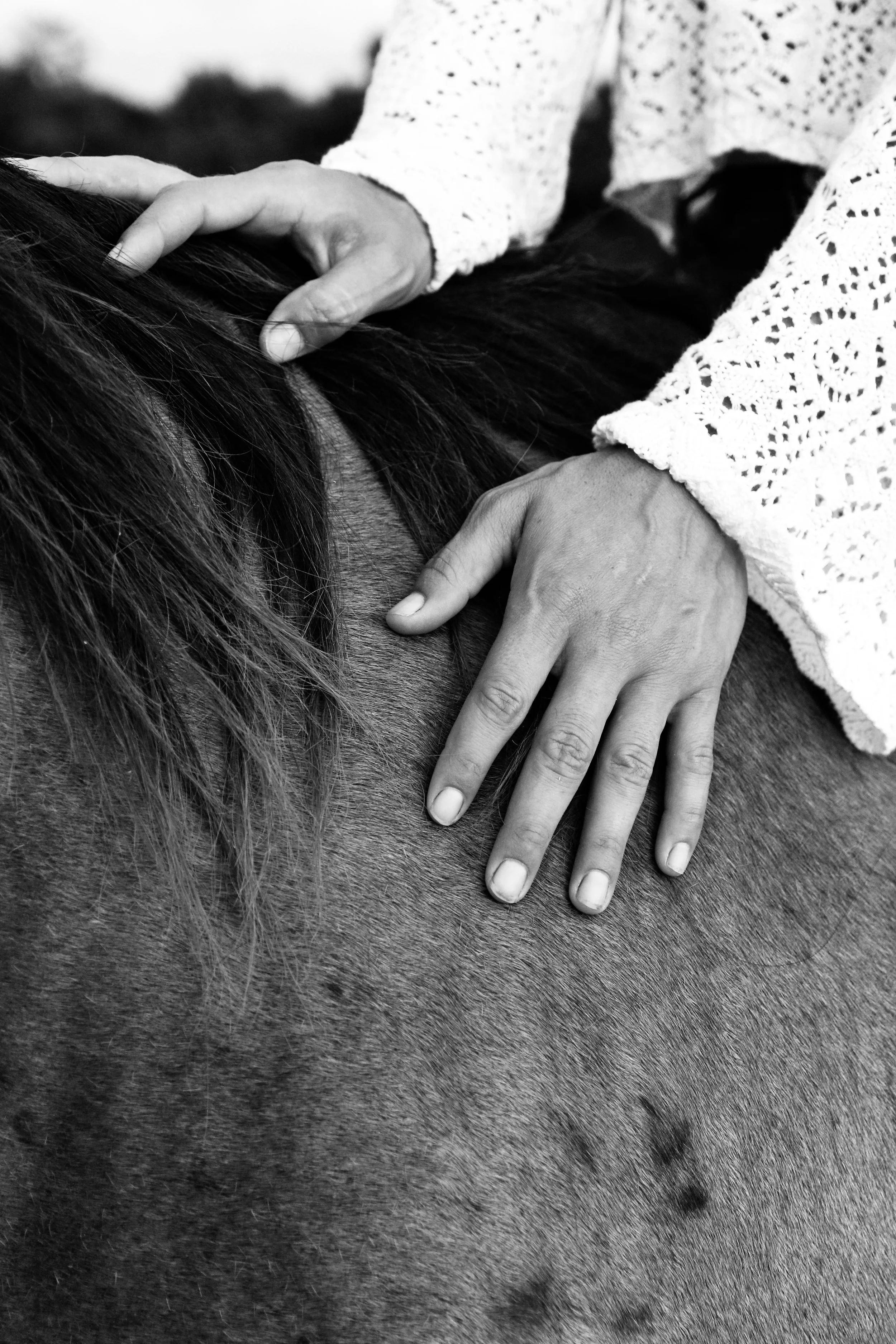
Every system affects the next.
That's the meaning behind the name Horsynergy.
It reflects the synergistic relationship between the horse's physical body, mind, emotional experience, environment, and the people caring for them.
When one system changes, every other system responds.
Rather than looking at training, bodywork, nutrition, or management in isolation, I look at how they influence one another and how they contribute to the horse standing in front of me.
Beyond Skills
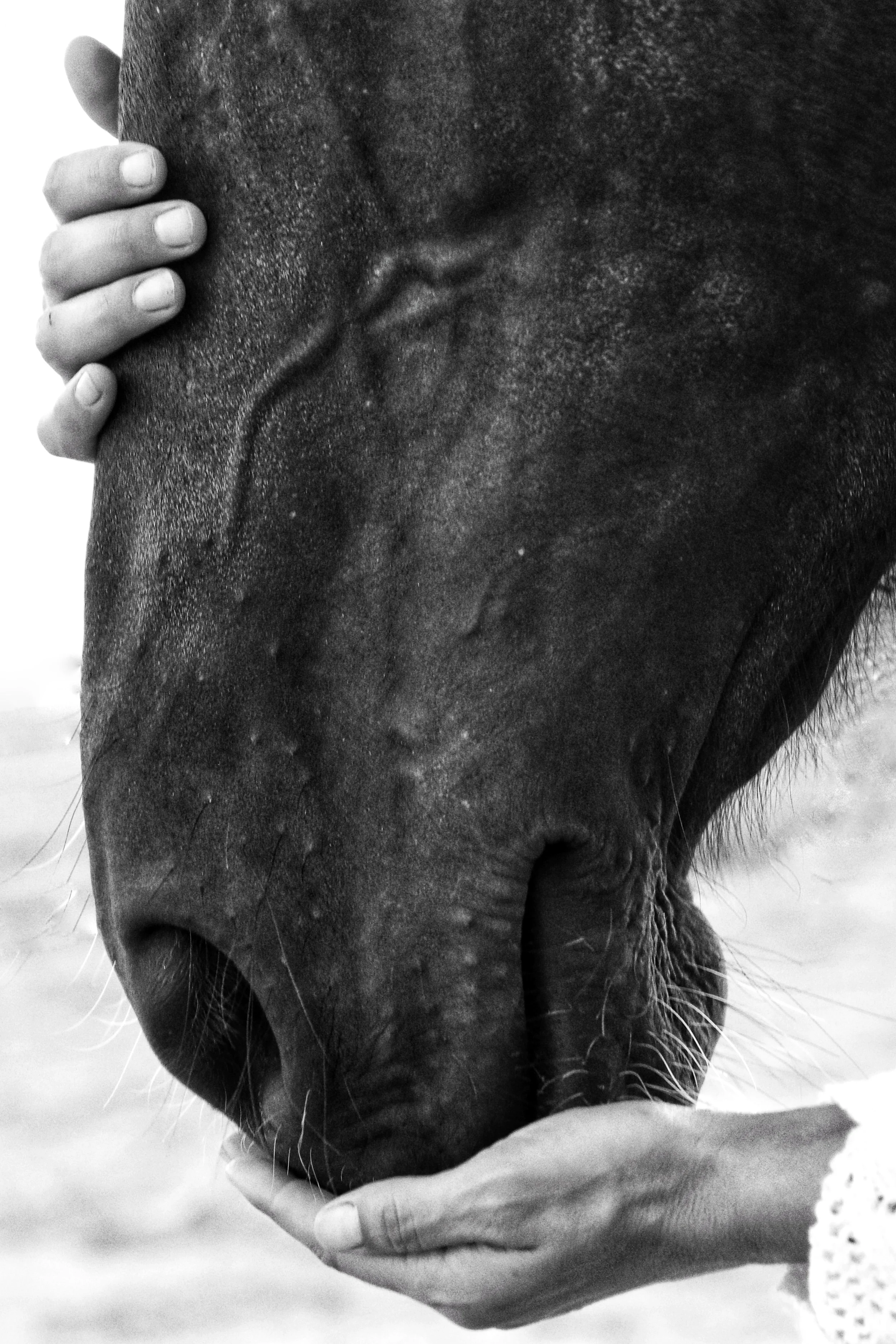
My work isn't simply about teaching horses new skills. It's about helping them become more connected to themselves.
My hope is that each horse leaves feeling more comfortable in their body, more confident in their mind, and more secure in their relationships.
I believe true development happens when physical, mental, emotional, and spiritual well-being are considered together—not as separate parts, but as interconnected aspects of the same horse.
When I speak about a horse's spiritual well-being, I'm referring to their relationship with themselves: their sense of embodiment, authenticity, and inner security. A horse that feels safe in its own body is better able to learn, adapt, connect, and express its natural curiosity.
Looking Beyond the Symptoms
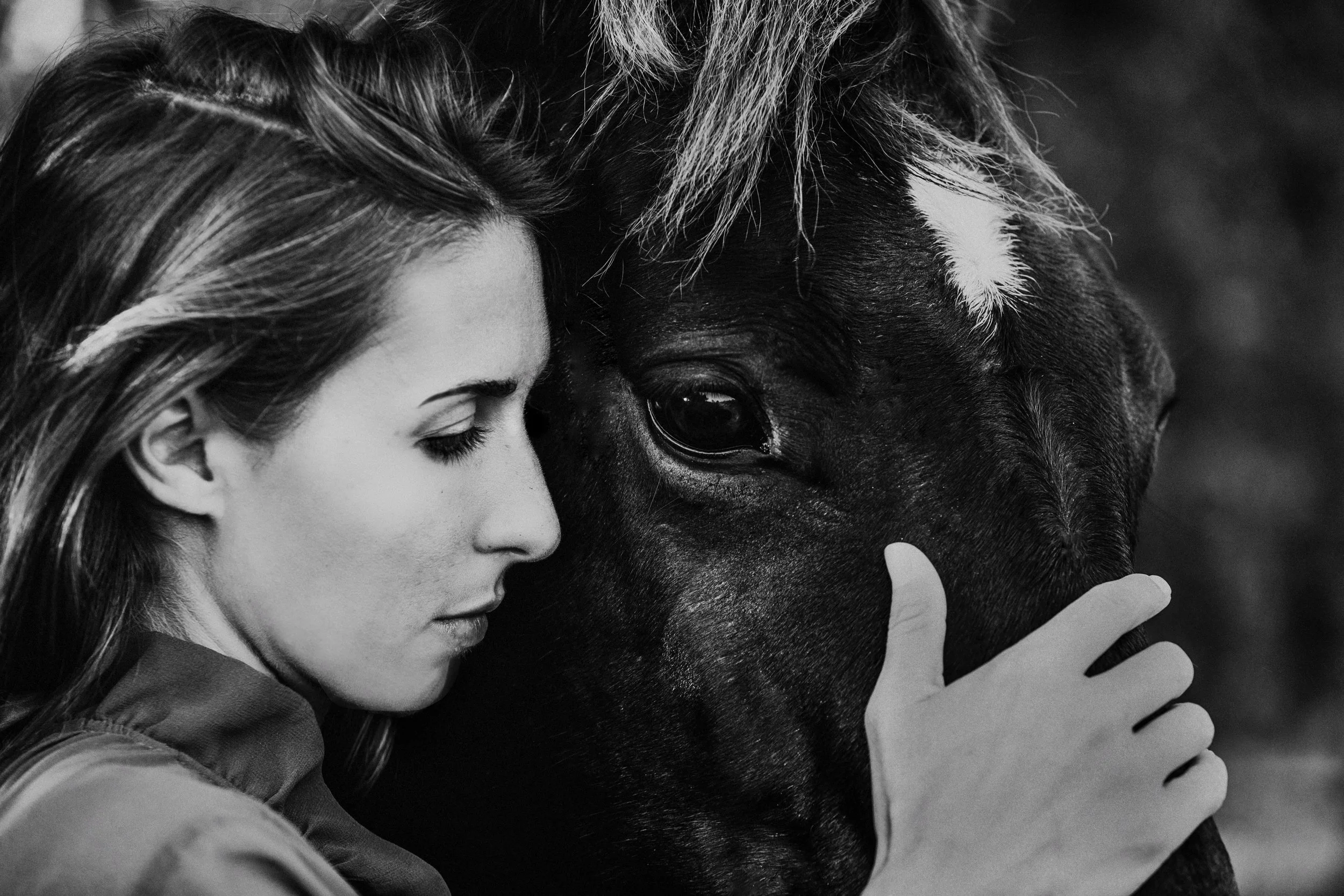
My goal isn't to replace anyone on your horse's team.
It's to help connect the dots.
Instead of asking, "How do we fix this symptom?" I ask questions like:
What adaptations has the body made?
Does the horse have the physical and physiological resources to recover?
Is the nervous system still protecting against something that no longer exists?
What is this horse trying to communicate?
Often, those questions lead us toward a clearer understanding of the horse as a whole.
The Principles That Guide My Work
Develop Capacity
My goal isn't simply to reduce symptoms. It's to help horses develop greater capacity.
Capacity to move efficiently, learn without unnecessary tension, recover, and adapt to the demands placed upon them.
As a horse's capacity grows, many of the challenges we see begin to fade away.
Restore Healthy Movement
When movement becomes restricted, compensation develops.
Those compensations influence posture, muscle tone, balance, coordination, and eventually performance.
Increasing range of motion and helping horses move more efficiently often creates positive changes throughout the entire system.
Support Regulation
The nervous system is constantly gathering information and answering the question "am I safe?"
When horses spend long periods adapting to pain, stress, injury, or compensation, those protective patterns can become their new normal.
Part of my work is helping the horse rediscover healthier resting muscle tone, and greater flexibility in how they respond to the world.
Build Strong Foundations
Nutrition, mineral balance, hoof care, dental health, movement, and environment, all contribute to the horse's ability to thrive.
No single piece tells the whole story.
By strengthening the foundation beneath the horse, we create better conditions for learning, healing, performance, and longevity.
The Tools I Use
Every horse is different, which means every plan is different.
Depending on your horse's individual needs, my work may include:
Postural Rehab through BTMM
Equine Hanna Somatics
Equine Craniosacral Therapy
Nerve Release and Myofascial techniques
Classical in-hand work
Nutrition and mineral evaluation
Hair Tissue Mineral Analysis (HTMA)
Owner education
Collaboration with veterinarians, farriers, dentists, saddle fitters, and other professionals
These are the tools I use.
The approach is understanding the horse as an integrated system and choosing the tools that best support that individual.
One of my greatest passions is helping owners better understand their horses.
Lasting change happens when owners leave with greater confidence, clearer understanding, and the ability to continue supporting their horse after they return home.
My hope is that every horse leaves not only moving better, but with an owner who sees them through a new lens.
When we understand the horse more completely, we can make better decisions for every part of their life.